
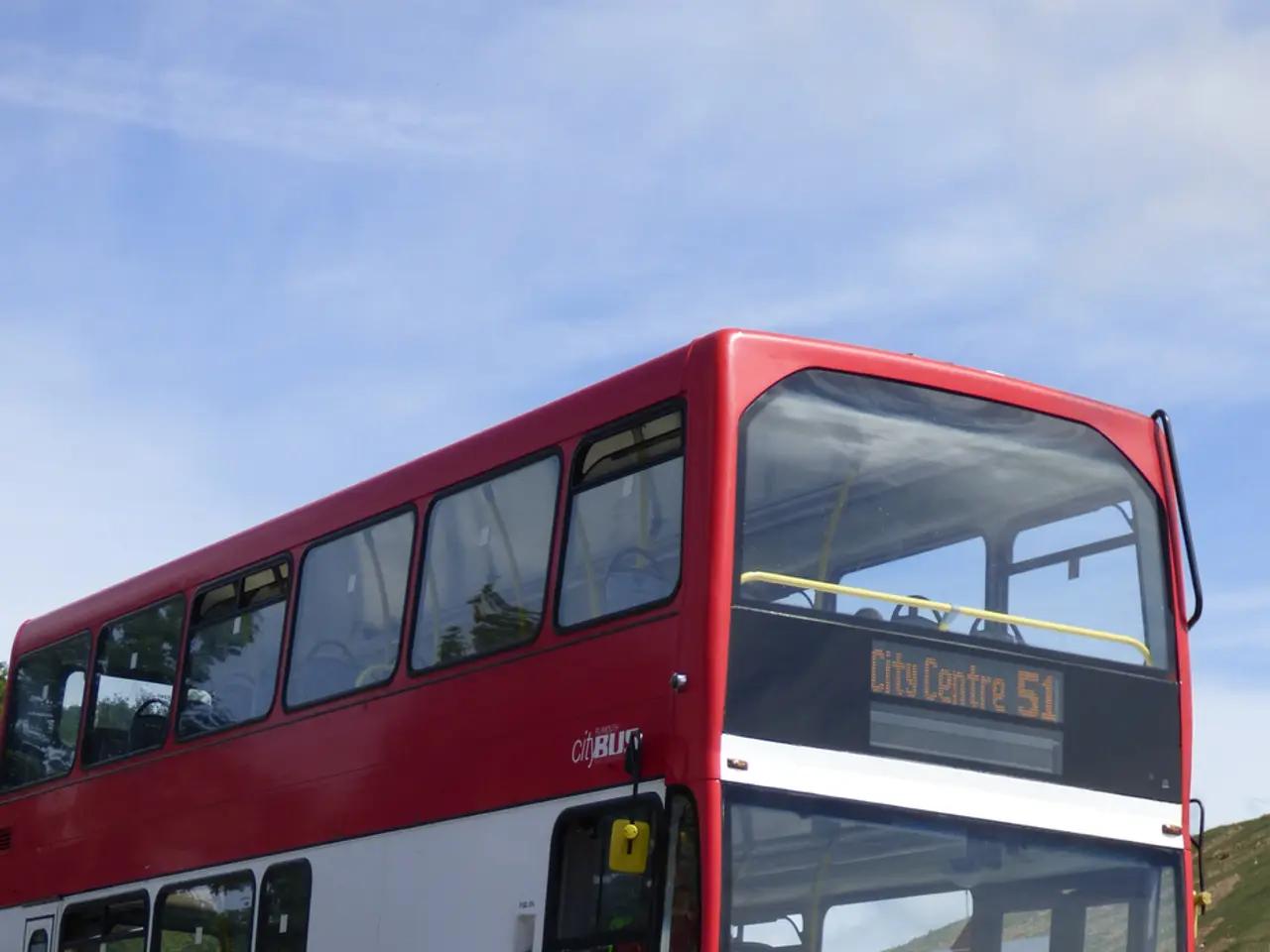
Berlin's affordably-priced €29 transit ticket has been discontinued, following approval of budget-cutting measures
Berlin, the vibrant heart of Germany, is grappling with a significant budget crisis that is putting pressure on its social ambitions and public services. The city's budget woes, a reflection of Germany's broader fiscal challenges, are causing concern among residents and opposition voices.
The cancellation of the €29 public transport ticket, introduced in July this year to provide affordable mobility, has been a major blow. The decision, due to austerity measures approved by the city's governing black-red coalition, has resulted in a budget deficit of 300 million euros for the city. This has left Berliners needing to adjust their commutes and their bank accounts.
The cancellation of the ticket has also affected Berlin's cultural sector, which is set to experience a 12% funding reduction. Theatres, museums, and the independent culture scene may face challenges due to these cuts. The Ensemble, a prominent cultural institution, anticipates cancelling five productions in the coming seasons.
Transport projects, including tramlines and climate protection initiatives, are also being cut. The BVG's ambition to electrify its bus fleet by 2030 faces serious delays due to budget cuts. Resident parking permits, however, will avoid a price hike this time.
Environmental groups argue that the €29 ticket undermined the nationwide 49 euro ticket and put strain on the financing of local transport. Critics, including the Berliner Fahrgastverband, have labelled the ticket as a "dead end."
The Left party in the Berlin House of Representatives described the cancellation of the €29 ticket as an "absolute catastrophe." Opposition voices criticize the government for increasing debt while not adequately addressing social needs at home, suggesting that essential services could suffer amidst the budget crisis.
Meanwhile, the government prioritizes defense and contested migration issues, which may divert funds and focus from public services and cultural programs. The future of Berlin's social ambitions in light of its budget constraints remains uncertain.
As Germany adopts a fiscal policy marked by record borrowing and debt increases, Berlin is feeling the pinch. The city's rising social expenditures amid political challenges and economic pressure limit the government’s room to finance ambitious social programs robustly. While free school meals and daycare will remain unaffected by the budget cuts, other sectors are feeling the strain.
This budget crisis, reflecting and exacerbated by Germany’s broader fiscal challenges, is putting pressure on Berlin's social ambitions and likely leading to cuts or stagnation in public services, including transportation and the cultural sector, as the government prioritizes debt management, defense, and other political goals.
[1] https://www.reuters.com/world/europe/germany-to-break-eu-deficit-rules-with-record-borrowing-2022-04-27/ [2] https://www.dw.com/en/germanys-development-aid-budget-to-be-cut-by-4-billion-euros/a-59867199 [3] https://www.dw.com/en/germany-to-borrow-81-8-billion-in-2025-breaking-eu-deficit-rules/a-61856559 [4] https://www.dw.com/en/germany-opposition-slams-government-over-record-borrowing/a-61856664
- The cancellation of the €29 public transport ticket, intended to offer affordable mobility, has been a significant setback for Berliners, leading to adjustments in their commutes and finances, as well as a budget deficit of 300 million euros for the city.
- The potential effects of the canceled ticket extend beyond transportation, affecting Berlin's cultural sector with a 12% funding reduction that may impact theaters, museums, and independent culture scenes.
- Amidst Germany's fiscal challenges, the city's budget crisis is putting pressure on public services, potentially leading to cuts or stagnation in areas such as transportation and cultural programs, as the government prioritizes debt management, defense, and political goals.