
BRICs currencies lack the necessary standing to challenge the dollar's dominance
In the second edition of OMFIF's The Bulletin, publishing on 29 July, the topic of de-dollarization takes centre stage. This trend, which sees central banks and nations reducing their reliance on the US dollar, is accelerating.
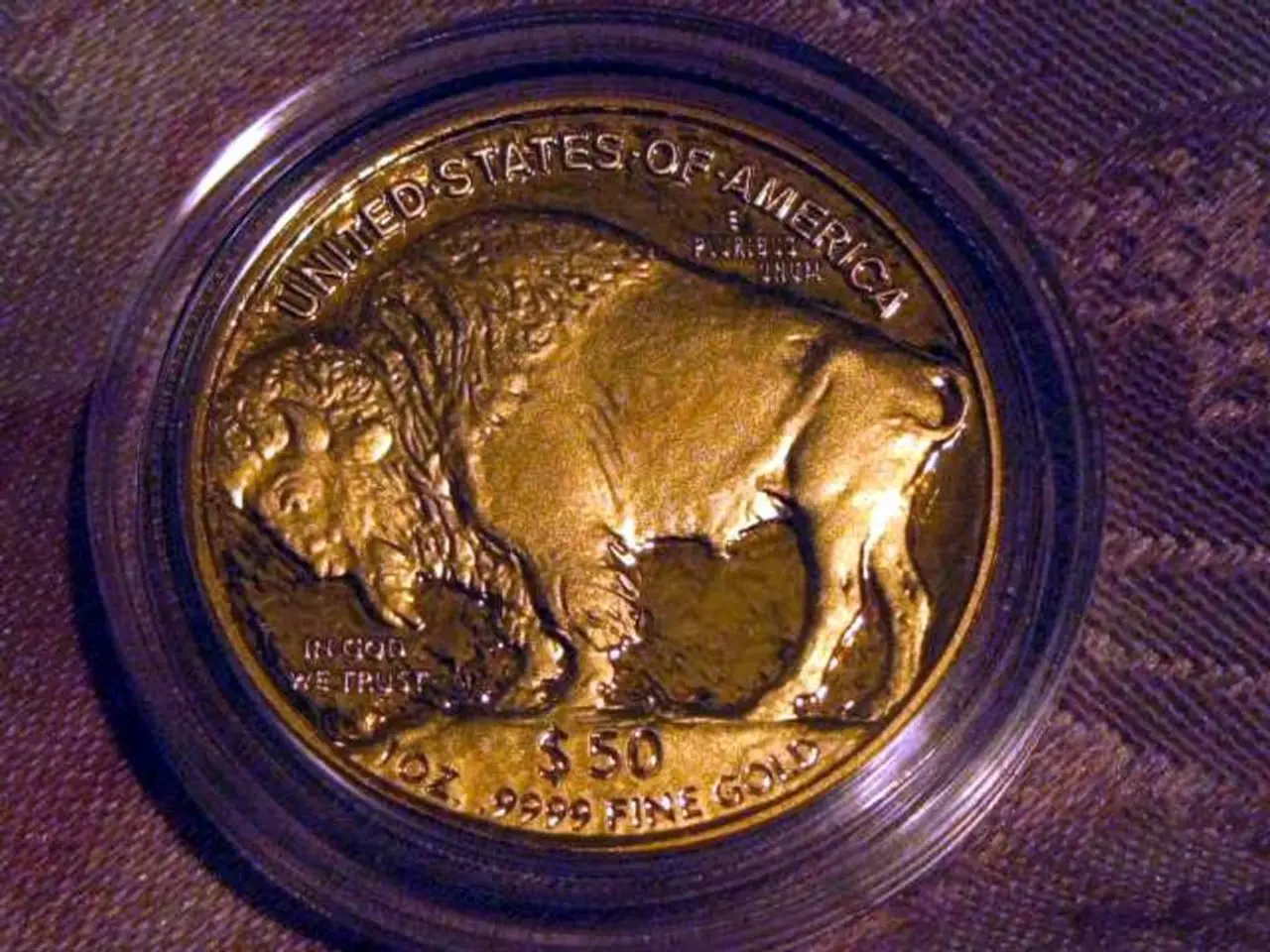
Foreign ownership of US Treasuries has decreased from around 50% during the 2008 financial crisis to approximately 30% by early 2025, signalling a waning dominance of the dollar. Central banks, particularly in emerging markets like China, Russia, and Turkey, are increasingly turning to gold as an alternative store of value. Gold reserves in EM have risen to 9%, more than double what it was a decade ago, with price forecasts predicting gold to reach $4,000/oz by mid-2026.
In commodity markets, especially energy, there is a clear shift away from USD pricing. Russia's oil exports to Eastern and Southern markets are increasingly being paid in local or alternative currencies rather than dollars. Key BRICS countries like China and India are actively using their own currencies, such as the yuan or rupee, for trade settlements with Russia and amongst themselves. Saudi Arabia is also considering yuan-denominated oil futures, albeit progress remains gradual.
BRICS countries—Brazil, Russia, India, China, and South Africa—are driving this de-dollarization trajectory. China and Russia lead in gold accumulation and pushing for yuan usage in international trade. India is adopting the rupee and yuan in settling trade, especially with Russia. Brazil and South Africa are part of broader efforts, with Brazil benefiting from diversified trade currency options.
This shift towards local or alternative currencies in trade aims to reduce the need for maintaining large US dollar reserves, potentially freeing capital for domestic growth projects in emerging markets.
From a financial markets and investment perspective, experts recommend diversified currency exposure rather than USD overconcentration, given the current secular decline of the USD by about 10% in the currency index during 2025. Factors driving this USD decline include US fiscal challenges, softer growth, expected interest rate cuts, and reduced foreign appetite for US assets.
However, the process of de-dollarization is gradual and complex, depending on geopolitical dynamics, trust in alternatives like the yuan, and how the US and global markets respond. The Brics bloc is beginning to use multiple national currencies to settle cross-border payments, with the renminbi already used in 50% of intra-Brics trade. Yet, the lion's share of cross-border financial transactions still takes place in major currencies, such as the dollar.
In the absence of a political agreement, a trustworthy vehicle currency might emerge for settlement of Brics trades, but not as a replacement for the dollar. The next Bank for International Settlements triennial survey was conducted in April 2023, with results to be published later in the year. A new Brics financial governance is considered highly unlikely.
Artificial intelligence could potentially replace the dollar's denomination function by converting national currencies into a weighted unit, such as a basket of currencies from countries like Brazil, Russia, India, China, and South Africa. As emerging economies become more assertive and the US reneges on its role as provider of a global currency, discussions about de-dollarisation are likely to continue.
Sources:
[1] OMFIF Research Paper [2] Financial Times [3] Bloomberg [4] Reuters
- In the second edition of OMFIF's The Bulletin, there is a focus on the trend of de-dollarization, which involves central banks and nations reducing their reliance on the US dollar.
- Gold reserves in emerging markets have risen to 9%, signifying that nations like China, Russia, and Turkey are increasingly turning to gold as an alternative store of value.
- There is a shift towards local or alternative currencies in trade among countries like China, India, and Russia, aiming to reduce the need for maintaining large US dollar reserves.
- Experts suggest diversified currency exposure instead of USD overconcentration given the current secular decline of the USD, driven by factors like US fiscal challenges and reduced foreign appetite for US assets.
- Artificial intelligence could potentially replace the dollar's denomination function by converting national currencies into a weighted unit, such as a basket of currencies from emerging economies like Brazil, Russia, India, China, and South Africa.




