
Criticizes customs and border repair: Bektenov's Perspective
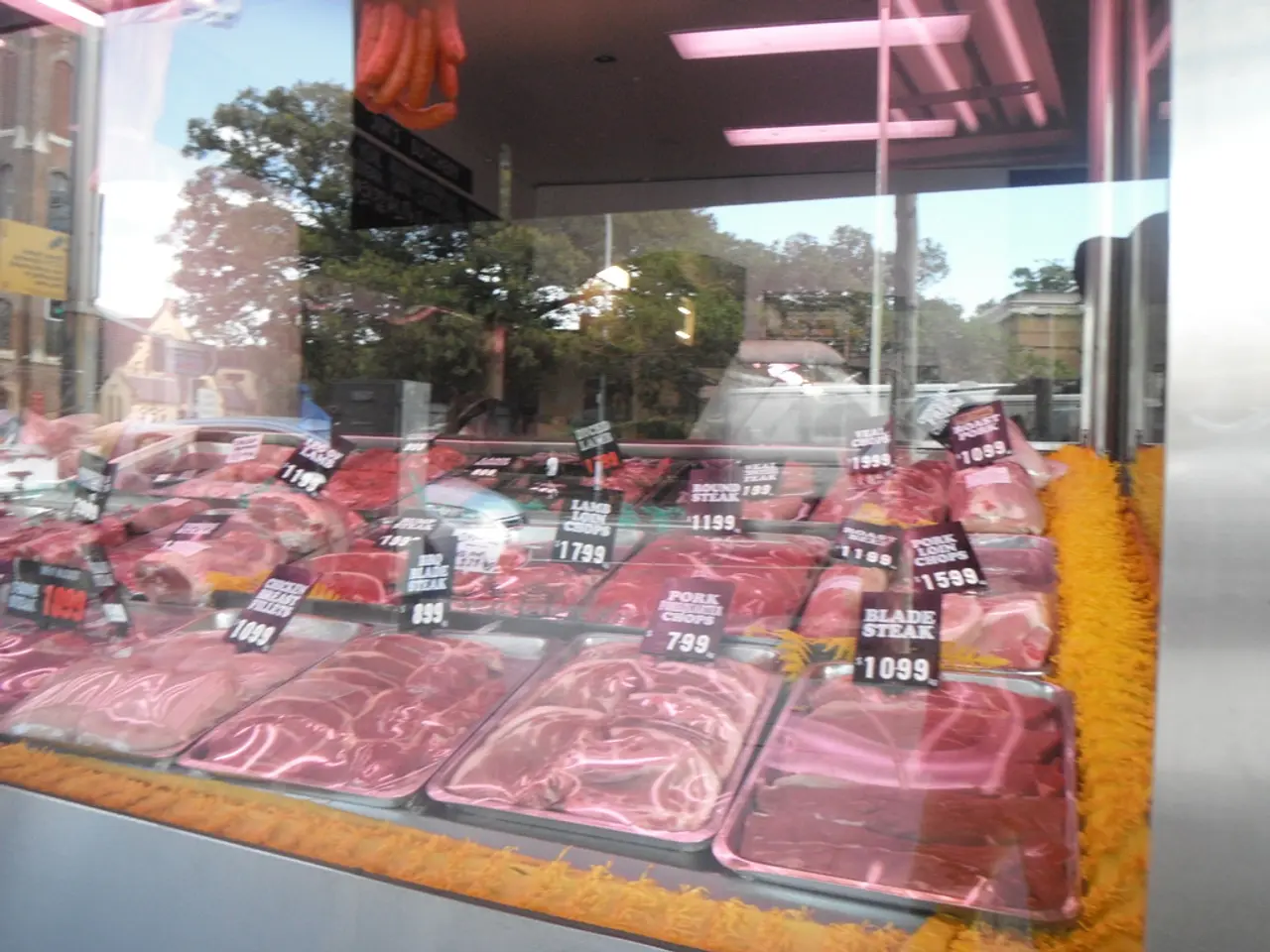
In recent times, the cost of meat, particularly beef, has been on the rise worldwide. This trend is primarily attributed to the smallest cattle herds in decades, coupled with sustained consumer demand, as reported by CMN.KZ.
This supply-demand imbalance is exacerbated by various factors. For instance, the U.S. cattle herd is at its smallest since the 1950s, significantly limiting beef production and driving prices higher. Additionally, there is continued interest in beef, fuelled by social media trends, grilling season peaks, and preferences for premium beef grades like Angus and Wagyu.
Other contributing factors include inflation and rising wages in some countries, such as Argentina, which have increased purchasing power and beef consumption, contributing to global price rises. Global trade and import restrictions also play a role, affecting availability and cost, thereby putting upward pressure on prices.
Regarding price disparities with neighbouring countries, while a detailed comparative analysis is not explicitly provided, rising world food prices and local supply-demand dynamics suggest that price gaps can occur due to differences in production capacity, subsidies, import/export policies, and currency fluctuations.
In response to these rising prices, Minister Arman Shakkaliyev has outlined plans to maintain a 0.4 percentage point range of monthly price changes for meat. He also mentioned that the Ministry of Trade is monitoring and fighting against price markups in retail networks.
At a government briefing, Shakkaliyev discussed the rise in meat prices, emphasising that in a market economy, the government cannot dictate prices. However, he announced significant measures to prevent the illegal export of processed meat, including obtaining veterinary certificates.
Contrary to some concerns, there is no reported shortage of meat in the country, as stated by Minister Shakkaliyev. The rise in meat prices, according to him, is due to two factors: global changes in volumes of major world players like Brazil and Argentina, and the difference in prices with neighbouring countries where meat is more expensive, causing increased demand.
Previously, the Ministry of Ecology reported on the safety of saiga meat. As the situation evolves, it is expected that governments will continue to explore various tools to mitigate price spikes in staple commodities, such as subsidies, tariffs, release of strategic reserves, or price caps, while balancing market supply incentives.
Finance and business sectors are closely monitoring the rising prices of beef, primarily due to the diminished cattle herds globally and sustained consumer demand. The supply-demand imbalance, in turn, is impacting the overall economy and the cost of living, particularly in countries affected by inflation and rising wages, such as Argentina.




