
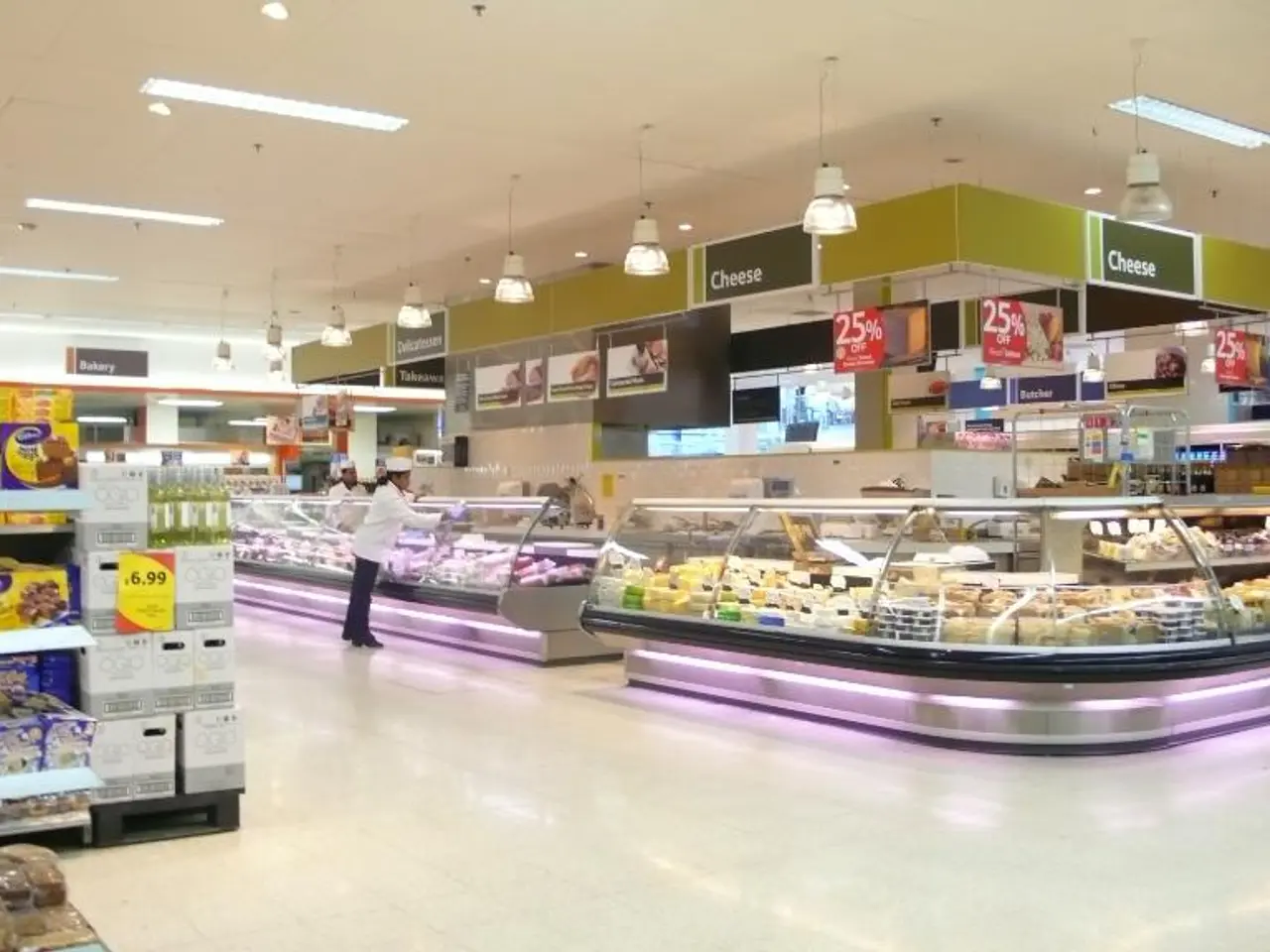
Examples of Common Physical Sales Channels: Two Notable Ones
Physical sales channels are traditional locations where customers can visit and make purchases. These channels offer a tangible shopping experience, personalized customer service, and immediate product availability.
Traditional Retail Stores
Retail stores, such as department stores and boutiques, are a popular example of a physical sales channel. They provide a wide range of products under one roof, allowing customers to browse and purchase items at their convenience. The tactile nature of shopping in a retail store adds value and builds trust, as customers can see, touch, and try products firsthand.
Brick-and-Mortar Stores
Brick-and-mortar stores, another type of physical sales channel, offer the same benefits as retail stores, but with a more focused approach. Examples of brick-and-mortar stores include specialty stores that cater to specific product categories, such as electronics or fashion boutiques.
Direct Selling
Direct selling is another type of physical sales channel that involves independent representatives selling products directly to consumers. Examples of direct selling include door-to-door sales and home parties. This approach allows businesses to build personal connections with customers, which can significantly impact customer satisfaction and loyalty.
Pop-up Stores and Kiosks
Pop-up stores and kiosks are temporary retail spaces set up in high-traffic areas to create buzz and reach customers in new locations. These temporary stores can be an effective way for businesses to test new products, enter new markets, or simply generate excitement around their brand.
Events and Live Shows
Hosting live events such as classes, demonstrations, or meet-and-greets can directly engage customers and promote sales. These events can be particularly effective for businesses selling experience-based products or services, such as travel or entertainment.
Wholesale through Physical Distributors or Partners
Selling products through third-party retail outlets or specialty stores that stock and resell the products is another common physical sales channel. This approach allows businesses to reach a wider audience without the need for extensive marketing and sales efforts.
Catalogs and Direct Mail Order
Physical catalogs mailed to customers enable ordering by phone or mail, combining convenience with a physical presence. This approach can be particularly effective for businesses selling unique or hard-to-find products, as customers can browse the catalog at their leisure before making a purchase.
Market Stalls, Fairs, and Trade Shows
Participating in local markets, fairs, or expos can help businesses reach niche audiences face-to-face. These events provide an opportunity for businesses to showcase their products, network with industry professionals, and generate leads.
Trade Shows and Exhibitions
Trade shows and exhibitions bring together industry professionals, enthusiasts, and consumers, allowing businesses to network, create brand awareness, generate leads, and secure direct sales. These events offer a unique opportunity for businesses to showcase their products and services in a focused, targeted environment.
Retail Hubs as Distribution Points
Some stores, like Target, use physical locations not only for shopper visits but as fulfillment centers for online orders picked up in-store or delivered same-day. This approach combines the benefits of physical and online sales channels, providing customers with the convenience of online shopping while still offering the tangible shopping experience of a brick-and-mortar store.
Trust and Authenticity
Physical stores can offer an added layer of trustworthiness and authenticity, especially for certain industries like luxury goods or high-end electronics. Customers may feel more confident making a purchase in a physical store, where they can see and touch the product before buying.
In conclusion, physical sales channels offer businesses a wide range of opportunities to connect with customers, showcase their products, and generate sales. From traditional retail stores to temporary pop-up shops, these channels provide an essential element in modern retail environments, integrating physical customer interaction beyond traditional stores and direct sales forces while also blending with omnichannel and online strategies.
Online shopping has emerged as a significant alternative for customers seeking a more convenient purchasing experience, especially in the electronics industry. The finance and business worlds have witnessed a shift towards online platforms, allowing customers to browse a vast array of products from the comfort of their homes. Meanwhile, some brick-and-mortar stores, like Target, are leveraging their physical locations for both in-store shopping and online order fulfillment, bridging the gap between traditional retail and e-commerce.