Train proposal connecting Switzerland and Sweden stirs up debate
In a move to expand international rail connections, the Swiss Parliament has allocated 30 million francs per year for the next six years, with the first instalment for this year lowered to 10 million francs. This funding is set to be used for train paths, energy costs, costs of rolling stock, and personnel.
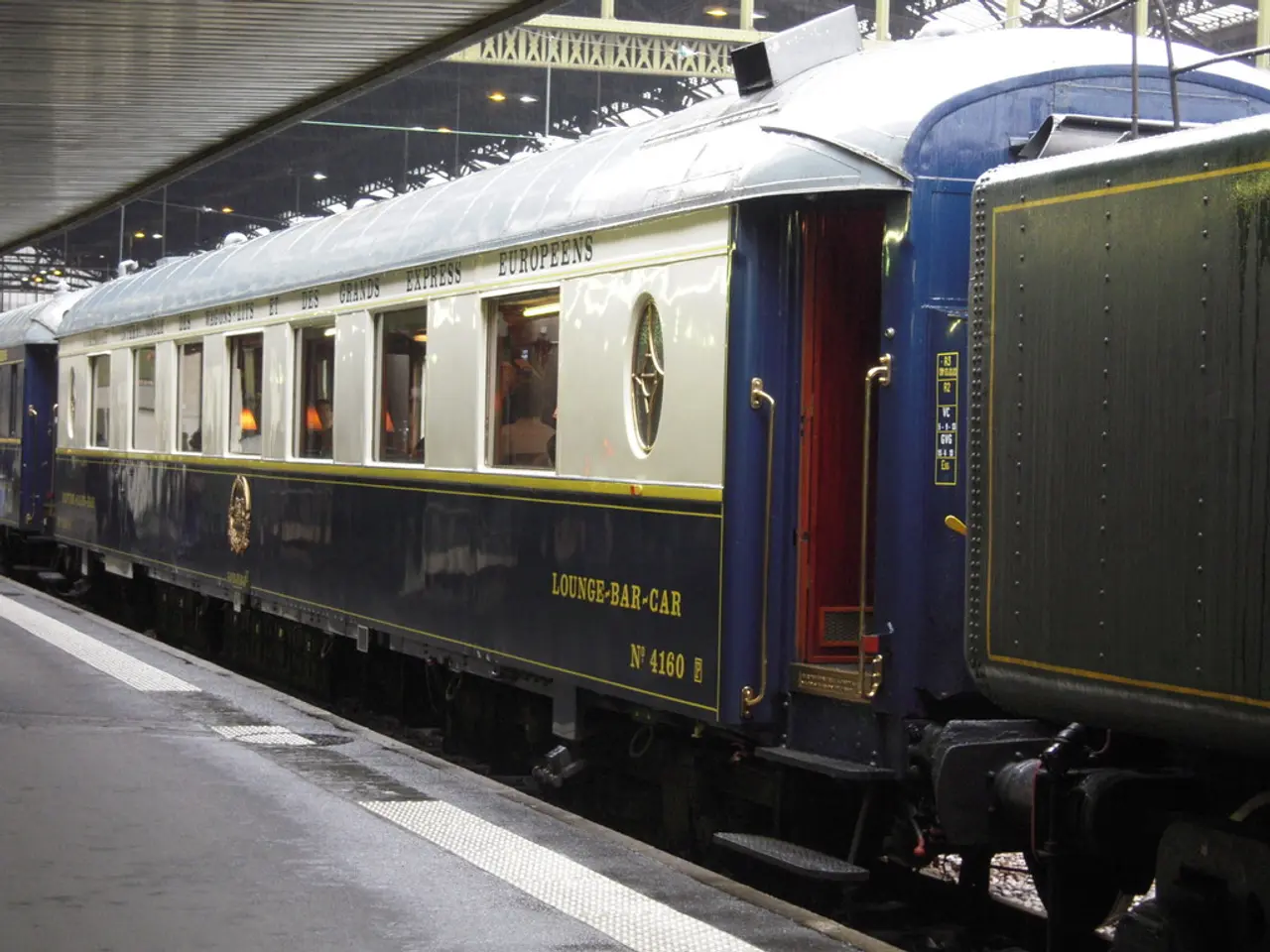
However, the controversy over funding the new night train service from Basel to Malmö centers on the high cost of subsidizing the service. The Swiss federal government has allocated around 47 million Swiss francs (€50 million) to run the night train three times a week starting in April 2026, resulting in subsidies of approximately 30,000 francs per train journey.
The high operational costs, including rolling stock maintenance, staffing, and cleaning of sleeping cars, have raised concerns among some Swiss parliamentarians and taxpayers about the financial viability and justification of the subsidy. The night train service is expensive because beds on the night train can only be sold once per night, limiting revenue per seat compared to multiple daytime passenger services.
The funding for the night train service is not guaranteed long-term; the Swiss parliament must approve subsidies annually as part of the federal budget, so parliamentary support remains key and uncertain. While some MPs back expanding international rail and sustainable travel, others question the fiscal burden and whether the subsidy is justified.
Meanwhile, the Federal Council has expressed a desire to limit future instalments to 10 million francs, leaving only 60 million francs (versus 180 million originally set aside) for the international train network. Some MPs even want to derail the plans for the international rail network due to cost-cutting reasons.
Despite the controversy, the new 2026 timetable offers more comfort for night train passengers with modern Nightjet trains used for Zurich and Basel to Hamburg, Amsterdam, and Vienna. Additionally, Switzerland's government plans to expand international rail routes, including two additional trains between Zurich and Milan in 2026.
Other planned expansions include a direct connection to Bologna extended to Florence, and the summer train to Genoa will now run to La Spezia. Furthermore, a direct train from Lausanne (via Geneva) to Marseille will run seasonally from April to October between Thursdays and Mondays.
However, it is not yet certain whether the money for the new night train service from Basel to Malmö will be paid out, as it requires approval from the Parliament every December as part of the federal budget debate. Switzerland's government is also considering a direct rail connection to the UK.
Sabrina Schellenberg, a spokesperson for the national railway company SBB, has confirmed that the money will be spent on the new route from Basel to Malmö. However, Thomas Hurter, a deputy from the Swiss People's Party, believes that the subsidy of 30,000 francs per train journey is a waste of taxpayers' money. Hurter argues that the money would be better used for existing routes instead of investing in a route that doesn't necessarily have a future.
In conclusion, while the Swiss government is pushing forward with plans to expand international rail routes, the controversy over the night train service from Basel to Malmö highlights the ongoing debates and financial considerations involved in such expansions. The future of the night train service remains uncertain, with parliamentary approval required annually for subsidies.
The controversial night train service from Basel to Malmö, with subsidies of approximately 30,000 francs per train journey, is a subject of debate in the Swiss Parliament, as some question its financial viability and justification in the context of the industry, finance, and business sectors. Despite this, the Swiss government is also considering a direct rail connection to the UK, further demonstrate their involvement in the transportation and public-transit sectors.