
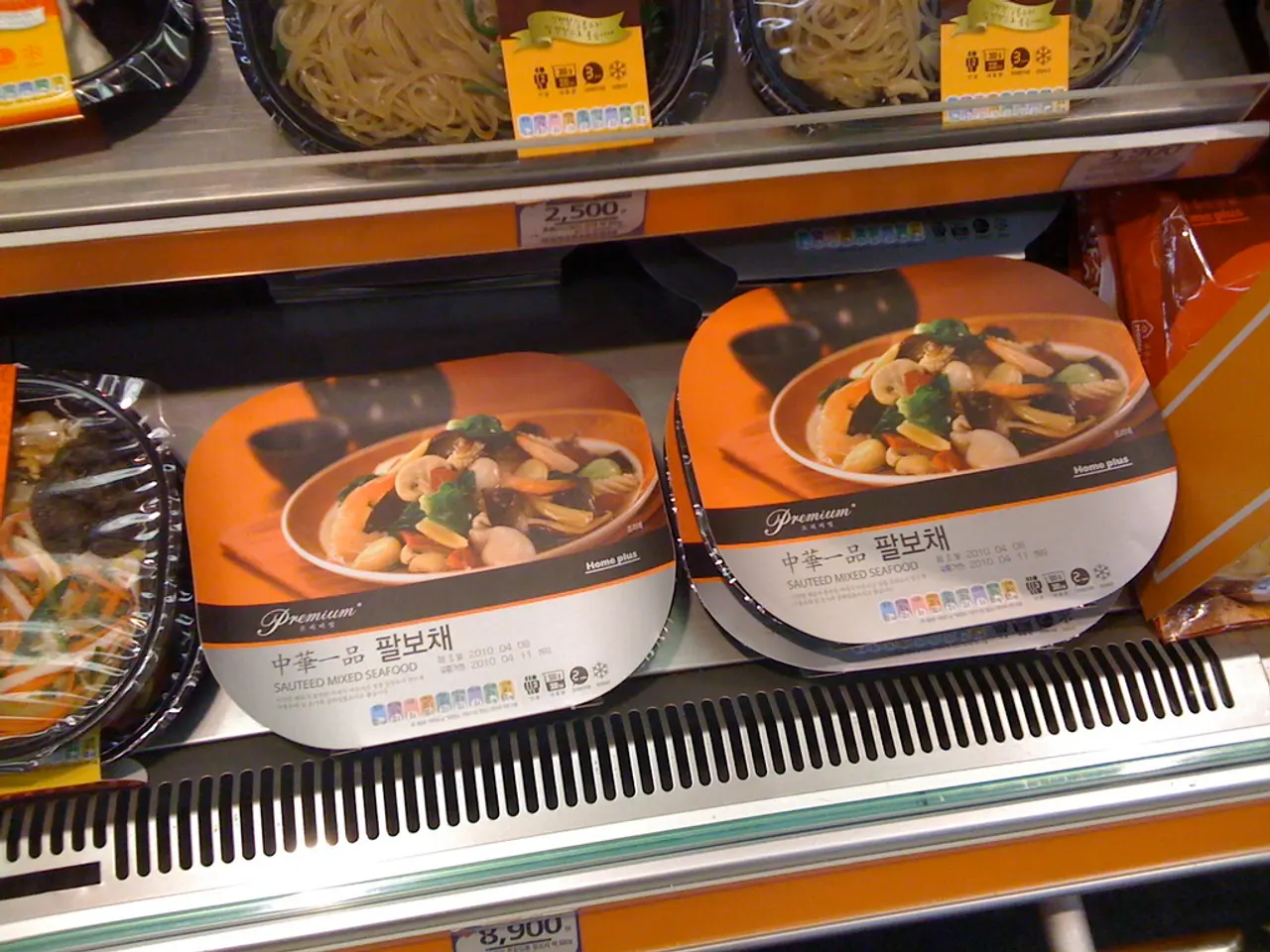
Unveiling the Secret Structure of Pricing: How Companies Prompt You to Spend More Money
The world of retail is not just about offering products at the best prices; it's also about understanding the psychology behind consumer spending. This article delves into the common psychological pricing strategies that businesses employ to influence consumer behaviour.
The Psychology of Free is a concept that appeals to offers like "Buy One, Get One Free". Price Framing is another strategy where discounts are designed to feel bigger. Free trials and free samples are used to hook customers and increase the likelihood of a purchase.
One such strategy is Charm Pricing, also known as Odd-Even Pricing. Prices ending in ".99" or odd numbers make items feel cheaper or better deals, exploiting consumer perception that such prices are significantly lower. Conversely, even prices can convey quality or stability in some contexts.
Price Anchoring involves presenting a higher reference price first, making subsequent prices appear more affordable. Price Thresholds are used to create a perception of savings while still being close to a higher anchor.
Decoy Pricing is a tactic that introduces a less attractive higher-priced option to nudge customers toward a more profitable middle or premium choice. Bundling and Unbundling are used to increase perceived value or affordability.
Premium Pricing sets higher prices to signal quality, exclusivity, or luxury status, influencing prestige-conscious buyers. Dynamic Pricing adjusts prices in real time based on market demand, competition, or customer behaviour to maximize revenue opportunities.
Scarcity and Urgency Cues highlight limited stock or time-limited offers to create a sense of urgency and prompt quicker purchasing decisions. Subscription or Tiered Pricing provides multiple pricing options tailored to different budgets or usage levels to capture a wider customer base.
Value-Based Pricing prices products to reflect the perceived value to the consumer, aligning price with brand positioning.
Retailers manipulate pricing through reference points, displaying a product next to a higher-priced item to make the discount seem more substantial. The Pain of Paying refers to the psychological discomfort of spending money, which is reduced when using credit cards, mobile payments, or one-click purchases.
People often prefer a free add-on over a bigger discount due to emotional impact. Examining pricing strategies from both consumer and business perspectives can uncover psychological triggers that lead to higher spending. Understanding the hidden psychology of pricing can help consumers make more informed choices, while for business owners, it provides a competitive edge in pricing strategies, leading to increased sales and customer satisfaction.
The effectiveness of these psychological pricing methods depends on understanding the target market, product category, and the brand’s strategic goals. Many companies like Amazon, Apple, and Costco regularly use combinations of these tactics to influence consumer spending.
[1] Ariely, D. (2008). Predictably Irrational: The Hidden Forces That Shape Our Decisions. HarperCollins Publishers. [2] Cialdini, R. B. (2009). Influence: The Psychology of Persuasion. Simon and Schuster. [3] Thaler, R. H., & Sunstein, C. R. (2008). Nudge: Improving Decisions About Health, Wealth, and Happiness. Yale University Press. [4] Kahneman, D., & Tversky, A. (1979). Prospect Theory: An Analysis of Decision Under Risk. Econometrica, 47(2), 263-292.
- The strategies in real estate business, such as Charm Pricing and Price Framing, also exploit consumer perception to make properties seem cheaper or better deals.
- Understanding the hidden psychology of pricing can offer business owners in the finance sector, like banks or investment firms, insights into employing effective pricing strategies that lead to increased customer satisfaction and profitability.




